


Newsletter
In this issue
-
In the contents of issue 15 of the ICR newsletter:
- Funding opportunities
- Recent publications
- Spotlight on the ICR and its members
- PhD Defenses
- They joined the ICR
- Symposium
- Management department
- In brief
Save the date
December 11th – The ICR General Assembly!
followed by a buffet (don’t forget to register: HERE)
Amphithéatre Hadamard
- 9h30 Welcome
- 9h45 Overview 2025
- 10h00 Simon Legendre, Head of Direction du Développement Durable AMU
- 10h45 Continuation of the overview and Perspectives for 2026
- 11h50 New staff & conclusions
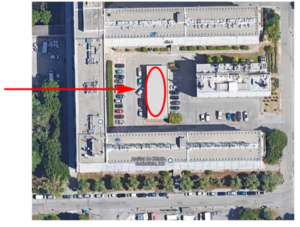
- 12h15 Buffet (préfabriqué cours Aile4/5)
Fundings opportunities
-

Interdisciplinary Approaches to Oncogenic Processes and Therapeutic Perspectives: Contributions from Physics, Chemistry, and Engineering Sciences to Oncology (PCSI)
Objectives: To fund research projects that utilize concepts or tools from physics, chemistry, or engineering sciences to achieve scientific and technological advancements in oncology. This includes improving the understanding of carcinogenesis mechanisms, diagnostics, therapeutic management, and more. Both fundamental research projects and technological or methodological research projects are eligible. Original, innovative, and high-risk approaches are particularly encouraged.
Timeline: October 28 – December 23, 2025 (5:00 PM)
-

M-ERA.NET Call for Projects 2025/26 – Materials Science and Engineering for Innovation in Europe
Active since 2012, the M-ERA.NET consortium has brought together a large network in the field of materials, enabling collaboration between major academic and industrial research partners from European and non-European countries and regions. The supported projects have encouraged the production of knowledge ranging from fundamental research to innovative industrial applications.
Deadline : May 19th 2026
Recent publications
- Benchmarking Density Functional Approximations in Nonadiabatic Dynamics: Trans-Cis Isomerization in Retinal Model with Lea Ibele (CT)
- Visualizing the Three-Dimensional Arrangement of Hydrogen Atoms in Organic Molecules by Coulomb Explosion Imaging with Lea Ibele (CT)
- A Density Functional Theory and Semiempirical Framework for Trajectory Surface Hopping on Extended Systems with Rafael Souza Mattos & Mario Barbatti (CT)
- Are N-heterocyclic carbene radical cations relevant intermediates in radical transformations? with Julie Broggi (PCR)
-
The successful impossible radical ring-opening copolymerization of thionolactones and methacrylates via an auxiliary third comonomer with Bastien Luzel, Sophia Kouider, Noémie Gil, Catherine Lefay, Didier Gigmes, Paul H. M. Van Steenberge & Yohann Guillaneuf (CROPS) - A Descriptor Is All You Need: Accurate Machine Learning of Nonadiabatic Coupling Vectors with Mario Barbatti (CT)
- Combining Laser-Induced Edition to Collision-Induced Sequencing of Digital Oligomers in a Single Gas-Phase Experiment with Laurence Charles (SACS)
- One pot synthesis of ZnO nanoparticle/mesoporous silica nanocomposite for photocatalysis with Adélie Barnetche, Paul Andrieu, Micael Hardy (SREP) & Eric Besson (CMO)
ICR Members in the Spotlight
-
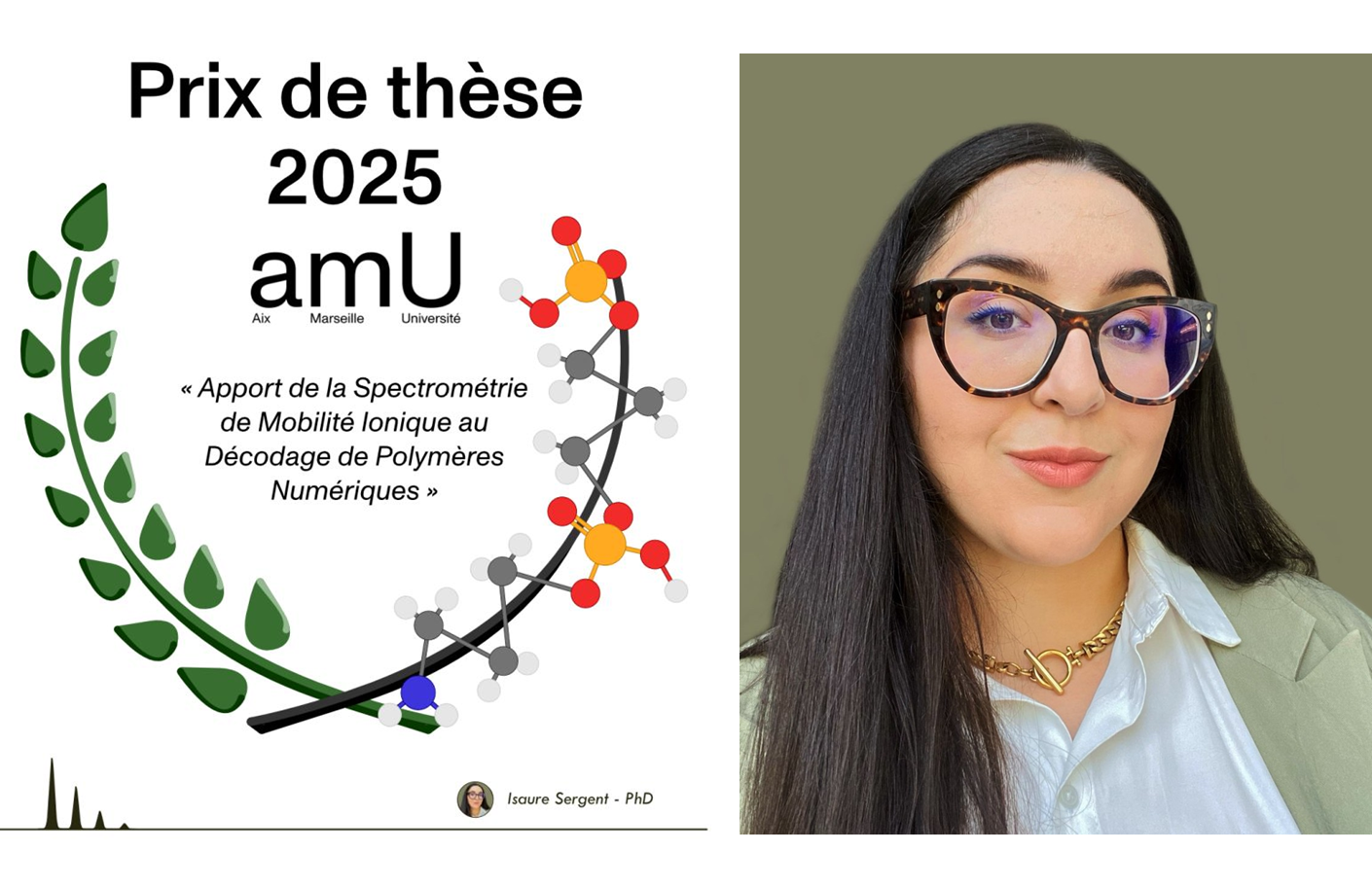
AMU 2025 Thesis Prize – Isaure Sergent
Isaure Sergent has been awarded the AMU 2025 Thesis Prize for her work on the contribution of ion mobility spectrometry to decoding digital polymers. Her thesis was supervised by Prof. Laurence Charles of the SACS team and Dr. Anouk Siri of the CT team.
Congratulations!
PhD defenses
-
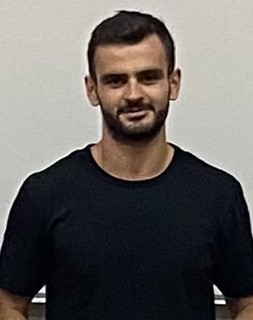
Hugo BIDOTTI defended his doctoral thesis on November 4, entitled “Synthesis, Integration, and Characterization of Molecular Diodes in Self-Assembled Monolayers for Rectenna Devices.” The jury was composed of Christine LARTIGAU-DAGRON (University of Pau and Pays de l’Adour), Stéphane LENFANT (University of Lille), Emmanuel LACÔTE (Université Paris Sciences et Lettres), David DUCHÉ (Aix-Marseille University), Expédite YEN-PON (Aix-Marseille University), and Didier GIGMES (Thesis Supervisor).
Congratulations!
-

Matheus DE OLIVEIRA BISPO defended his doctoral thesis on November 7, entitled “Full integration of machine learning techniques with nonadiabatic molecular dynamics simulations.” The jury was composed of Pascal FRIEDERICH (Karlsruhe Institute of Technology, AiMat), Alexandre VARNEK (University of Strasbourg, CMC), Julia WESTERMAYR (Leipzig University), Elena CANNUCCIA (Aix-Marseille University), Stéphane HUMBEL (Aix-Marseille University), and Mario BARBATTI (thesis supervisor).
Congratulations!
-
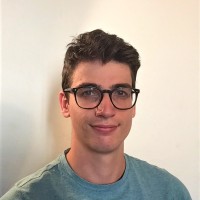
Clément CHAMBRIAL will defend his doctoral thesis on December 1st, entitled “Synthesis and characterization of self-healing polymer electrolytes for stretchable Li-ion microbatteries.” The examination committee consists of Muriel LANSALOT (University of Lyon, CPE), Bruno AMEDURI (University of Montpellier), Jean-François GOHY (Université catholique de Louvain), Marc GUERRE (University of Toulouse), Sébastien MARIA (Thesis co-supervisor), and Didier GIGMES (Thesis supervisor).
-
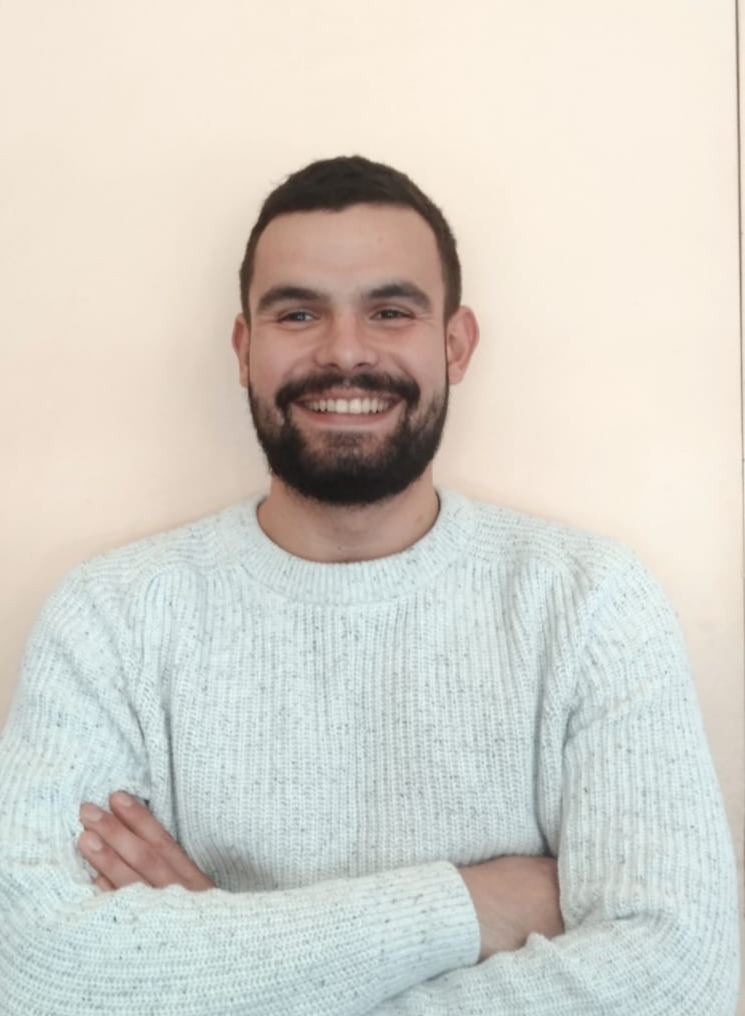
Bastien LUZEL will defend his doctoral thesis on December 3rd, entitled “Development of monomers and innovative strategies: toward a better understanding of radical ring-opening polymerization (rROP).” The examination committee is composed of Julien NICOLAS (Université Paris-Saclay), Antoine BUCHARD (University of York), Eric DROCKENMULLER (Claude Bernard University Lyon 1), Catherine LEFAY (Thesis co-supervisor), and Yohann GUILLANEUF (Thesis supervisor).
They joined the ICR
-
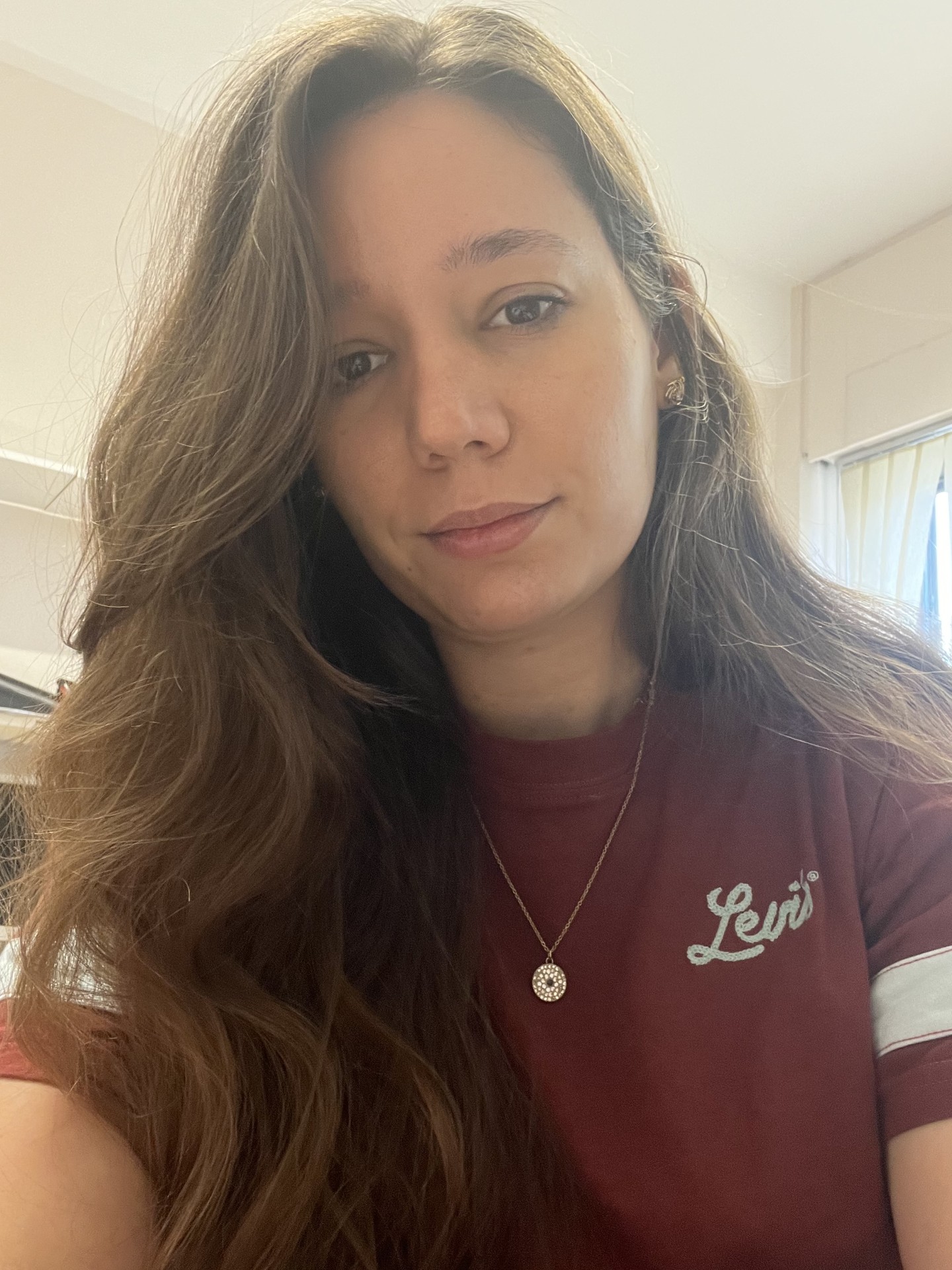
Marie POISSON has joined the CROPS team as a postdoctoral researcher to work with Trang Phan as part of a collaboration with the company Pellenc Energy. Marie spent more than twelve years in Benin before returning to France, in Nice, where she began with a PACES program, followed by a bachelor’s degree in chemistry at Université Côte d’Azur. She then continued with a master’s degree in chemistry (CV track) at Aix-Marseille Université. Her M2 internship focused on the development of molecular photocatalytic systems for biomass valorization within the BiosCiences team of iSm2. Marie subsequently completed a PhD in the same team, supervised by Renaud Hardré and Maylis Orio, dedicated to the bio-inspired photoproduction of dihydrogen from organic waste generated in military camps during overseas operations. This PhD, funded by AID–DGA and AMU, was defended on February 14, 2025.
-
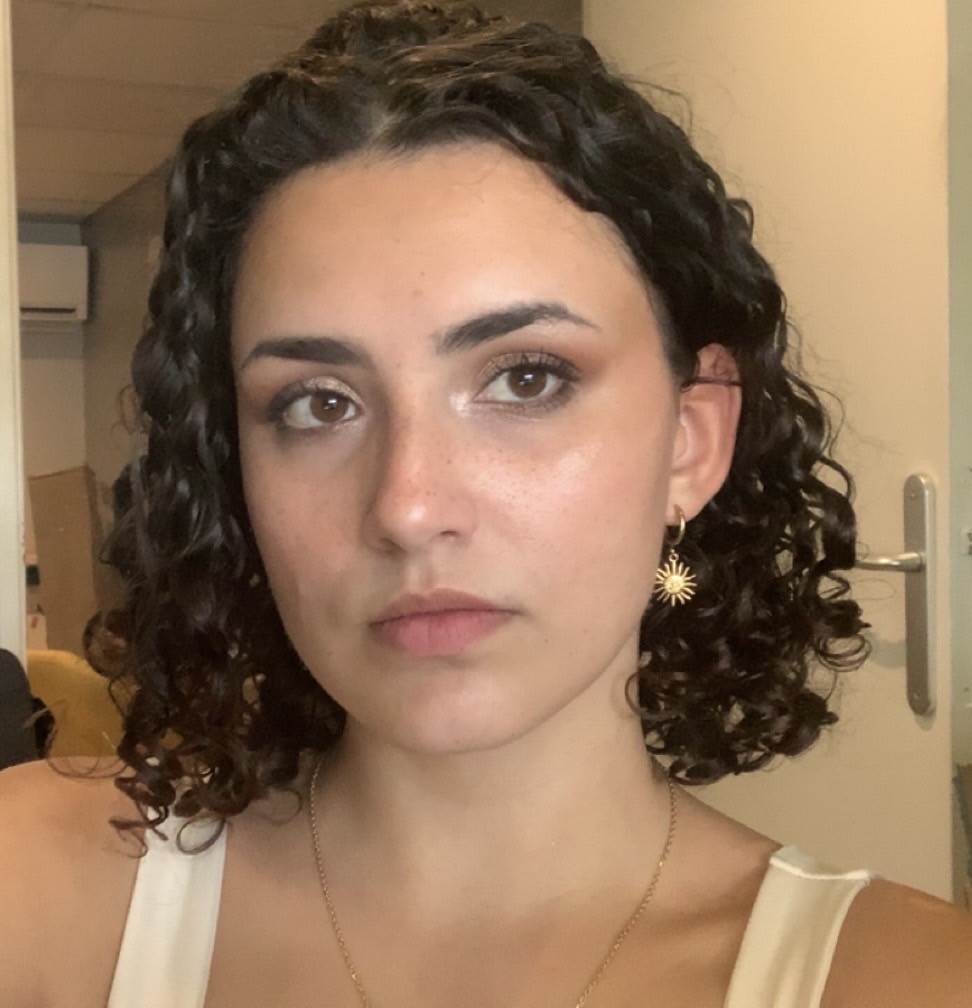
Solenne LÉCUYER has joined the CROPS team as a PhD student under the supervision of Malek Nechab and Anne-Doriane Manick. Her research focuses on stereoselective iterative radical addition in the presence of external chiral agents. Solenne completed all her studies at Aix-Marseille Université, with the first two years of her bachelor’s degree in Aix, followed by the third year and her master’s in Marseille.
-
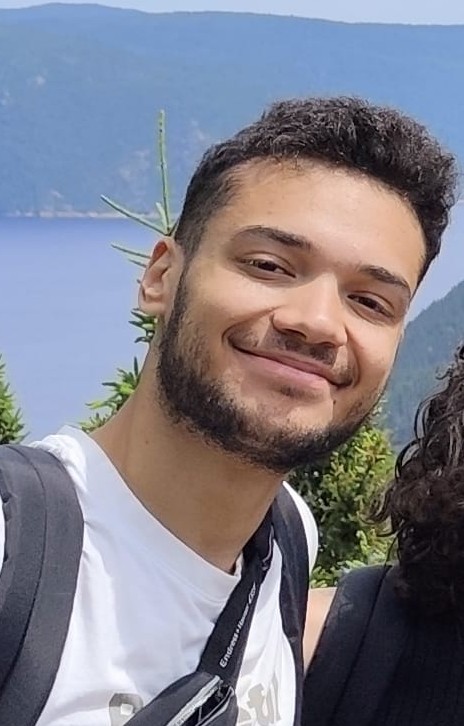
Florian PAGESY has joined the CRAB team as a PhD student under the supervision of Jean-Patrick Joly and Sylvain Marque, with a research focus on new bio-based thermoplastic polymers for composites and their recycling through depolymerization. Florian is originally from Marly-le-Roi (78). He completed engineering studies at ENSCMu (École Nationale Supérieure de Chimie de Mulhouse) and earned a master’s degree in organic synthesis and pharmaceutical chemistry at the University of Sherbrooke (Canada).
-
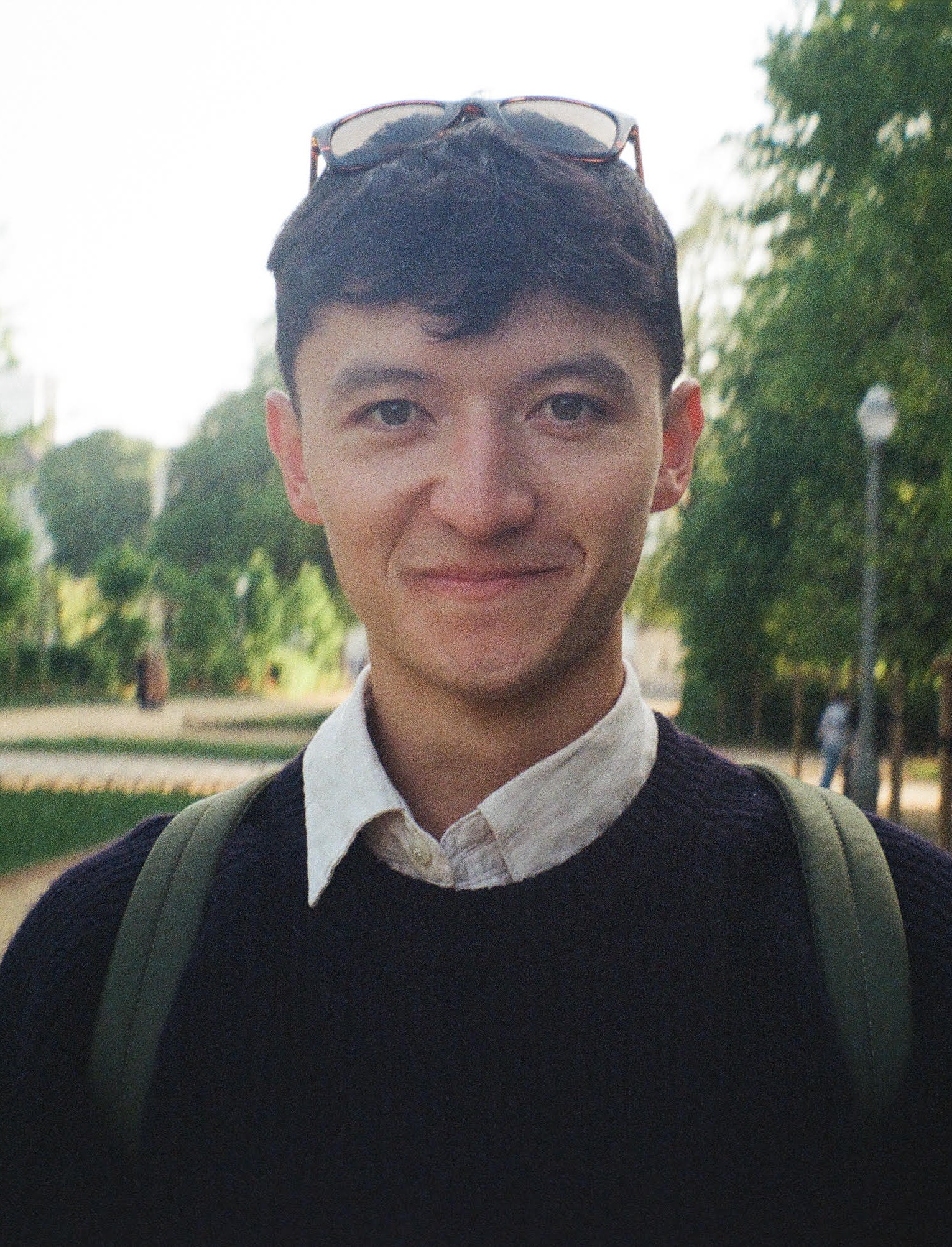
Amaury THEPAUT has joined the CROPS team as a PhD student under the supervision of Didier Gigmes and Trang Phan, working on the impact of the dispersity of grafted chains and the matrix on nanostructuration and on the rheological properties of SBR/silica nanoparticle nanocomposites in tires. This is a CIFRE-funded PhD in collaboration with Michelin. After completing a PCSI/PC preparatory class, Amaury entered the École Nationale Supérieure de Chimie de Mulhouse (ENSCMu). He completed his third year as an exchange student at ChimieParisTech. He is therefore a materials chemistry engineer with a specialization in polymer synthesis and characterization.
-
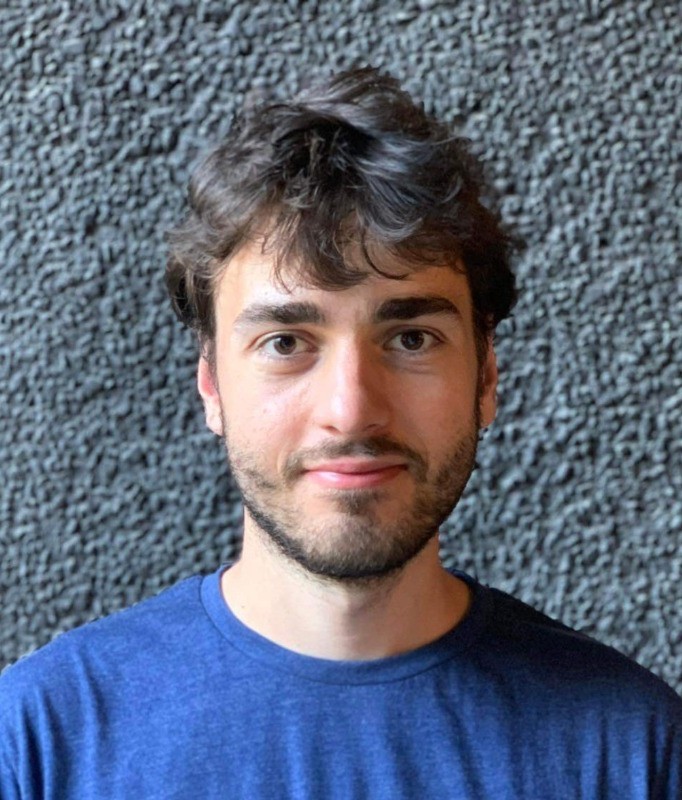
Danilo MARKOVIC has joined the CT team as a PhD student under the supervision of Miquel Huix-Rotllant. The topic of the thesis is In Silico Design of Optimized Photoswitches via Multiscale Modeling. In specific, in order to design a novel electronic structure for excited states, based on mixed-reference spin-flip time-dependent density-functional tight binding (MRSF-TD-DFTB) framework. The method will then be applied to describe mechanisms, kinetics and quantum yields of photosimerisation reactions. Danilo is from Montenegro. He has completed his bachelor studies at the Faculty of Metallurgy and Technology of University of Montenegro. His final work was the synthesis and the characterization of NaCrO2 for sodium ion batteries. He was awarded the erasmus mundus scholarship to follow the theoretical chemistry and computational modelling master program at the Autonomous University of Madrid. His master thesis was a computational study of (meta)stability of earth alkaline anion-anion complexes.
Congress – Symposium
-
-
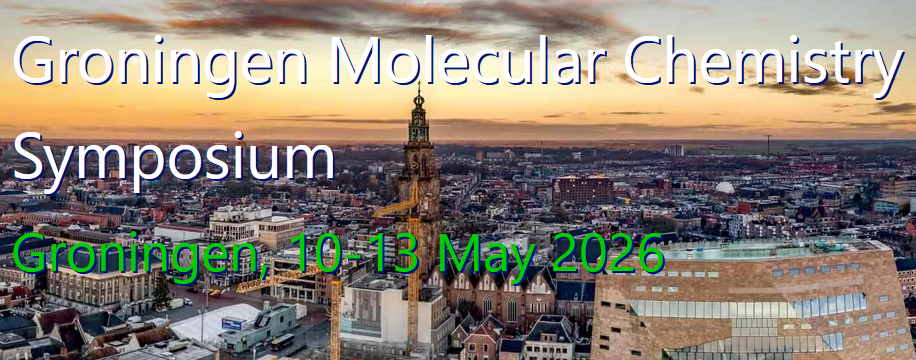
Groningen Molecular Chemistry Symposium
Groningen, Netherlands
May 10–13, 2026.
-
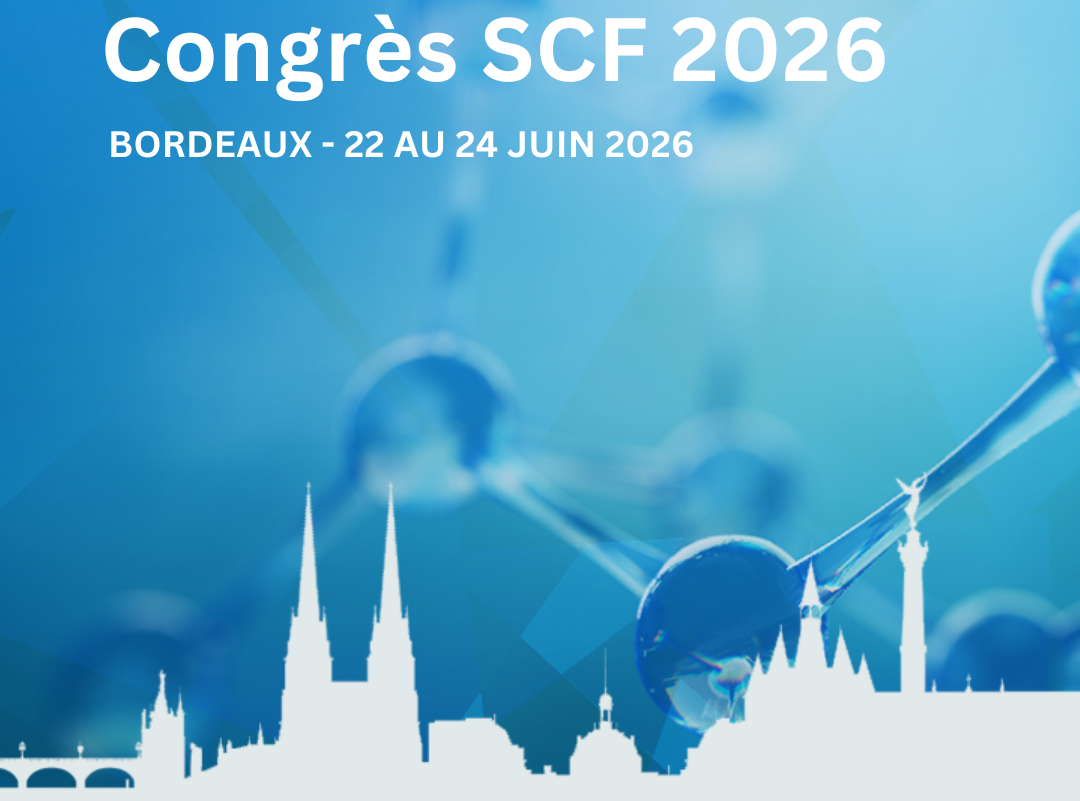
SCF 26: The National Congress of the French Chemical Society – “The Challenges of Tomorrow’s Chemistry”
Bordeaux
June 22–24, 2026
Management Department
-
The deadline for spending allocations (non-carryover credits) is set for December 1st, 2025. Each team must take the necessary steps to use its funds before this date.
In brief
-

At the end of the year, don’t forget to submit your publications to HAL!
To maximize the ICR performance bonus, publications with at least one co-author affiliated with the ICR must be deposited in HAL (reference and full text).
-

APC: 2025 quota and 2026 outlook
The quota of articles eligible for publication free of APC (Article Processing Charges), from which we benefit under our reading and publication agreement with the publisher Wiley, will soon be exhausted.
-

Information from the Digital Department
- Implementation of strong authentication for VPN access – Starting December 3
- University mobility eduroam (eduroam® Wi-Fi network available on all university campuses) – Starting November 3
-

Discover “amUNews”: the new news website of Aix-Marseille University!
Aix-Marseille University is launching amUNews, its new site dedicated to news and events from all university divisions. This information hub highlights:
• the achievements and initiatives of university teams,
• scientific, educational, and cultural events,
• the calendar of activities open to the university community and to the general public. -
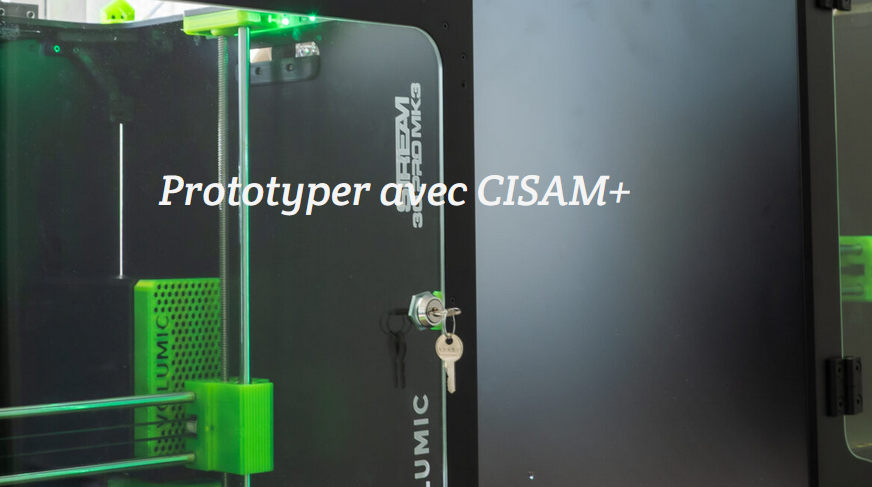
Opening of the CISAM+ Fablab in Luminy
The CISAM+ Fablab in Luminy is now open in the Hexagone building (room 00.33, ground floor). Free and accessible to AMU students and staff, it offers a space dedicated to prototyping and bringing your innovative projects to life.
Submit your request via the website or by email: cisamplus-prototypage@univ-amu.fr -

Cambridge Crystallographic Data Centre (CCDC)
Through the CNRS, the ICR has access to the features of the CSD-Portfolio, including the ConQuest, Mercury, and GOLD software.
For more information, or contact Hervé Clavier. -
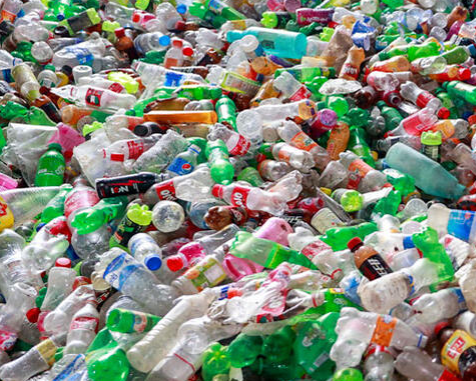
Plastic recycling, a counterproductive solution
In August 2025, the Geneva summit on plastic pollution once again failed to negotiate an international treaty. Among the reasons: disagreements on recycling and its limitations. This issue is at the heart of a recent collective scientific assessment conducted by CNRS and INRAE.
Institut de Chimie Radicalaire. Université Aix-Marseille, CNRS, UMR 7273, Marseille, France
All the ICR newsletter are available in the ICR intranet. You would like to spread some news that may interest the ICR community? Don’t hesitate, email Julie Broggi and Nicolas Ferré
Dans ce numéro…
-
Au sommaire du numéro 15 de la newsletter de l’ICR :
- Opportunités de financement
- Publications récentes
- l’ICR et ses membres à l’honneur
- Soutenances de thèse
- Ils ont rejoints l’ICR
- Congrès
- Pôle gestion
- En bref
A vos agendas
Assemblée Générale de l’ICR le 11 décembre
suivie d’un buffet (n’oubliez pas de vous inscrire : ICI)
Amphithéatre Hadamard
- 9h30 Accueil
- 9h45 Bilan 2025
- 10h00 Simon Legendre, directeur de la Direction du Développement Durable AMU
- 10h45 Suite du Bilan et persepctives 2026
- 11h50 Nouveaux personnels & conclusion
- 12h15 Buffet (préfabriqué cours Aile4/5)
Opportunités de financement
-
Approches interdisciplinaires des processus oncogéniques et perspectives thérapeutiques : Apports de la physique, de la chimie et des sciences de l’ingénieur à l’oncologie (PCSI)
Objectifs : Financer des projets de recherche faisant appel à des concepts ou des outils de la physique, de la chimie ou des sciences de l’ingénieur, permettant d’aboutir à des progrès scientifiques et technologiques en oncologie (compréhension des mécanismes de la cancérogenèse, diagnostic, prise en charge thérapeutique, etc.). Les projets de recherche fondamentale comme les projets de recherche technologique ou méthodologique sont éligibles. Les démarches originales et innovantes avec prise de risque sont encouragées.
Calendrier : du 28 octobre au 23 décembre 2025 (17h00)
-
M-ERA.NET appel à projets 2025/26 – Science et ingénierie des matériaux pour l’innovation en Europe
Actif depuis 2012, le consortium M-ERA.NET a fédéré un vaste réseau dans le domaine des matériaux, permettant la collaboration entre les principaux partenaires de recherche académique et industrielle de pays et de régions européens et non européens. Les projets soutenus ont favorisé la production de connaissances allant de la recherche fondamentale jusqu’aux applications industrielles innovantes.
Clôture 19 Mai 2026
Publications récentes
- Benchmarking Density Functional Approximations in Nonadiabatic Dynamics: Trans-Cis Isomerization in Retinal Model avec Lea Ibele (CT)
- Visualizing the Three-Dimensional Arrangement of Hydrogen Atoms in Organic Molecules by Coulomb Explosion Imaging avec Lea Ibele (CT)
- A Density Functional Theory and Semiempirical Framework for Trajectory Surface Hopping on Extended Systems avec Rafael Souza Mattos & Mario Barbatti (CT)
- Are N-heterocyclic carbene radical cations relevant intermediates in radical transformations? avec Julie Broggi (PCR)
-
The successful impossible radical ring-opening copolymerization of thionolactones and methacrylates via an auxiliary third comonomer avec Bastien Luzel, Sophia Kouider, Noémie Gil, Catherine Lefay, Didier Gigmes, Paul H. M. Van Steenberge & Yohann Guillaneuf (CROPS) - A Descriptor Is All You Need: Accurate Machine Learning of Nonadiabatic Coupling Vectors avec Mario Barbatti (CT)
- Combining Laser-Induced Edition to Collision-Induced Sequencing of Digital Oligomers in a Single Gas-Phase Experiment avec Laurence Charles (SACS)
- One pot synthesis of ZnO nanoparticle/mesoporous silica nanocomposite for photocatalysis avec Adélie Barnetche, Paul Andrieu, Micael Hardy (SREP) & Eric Besson (CMO)
Les membres de l’ICR à l’honneur
-
Prix de thèse AMU 2025 – Isaure Sergent
Isaure Sergent a reçu le prix de thèse AMU 2025 pour ses travaux portant sur l’apport de la spectrométrie de mobilité ionique au décodage de polymères numériques. Cette thèse a été encadrée par le Prof. Laurence Charles de l’équipe SACS et le Dr Anouk Siri de l’équipe CT.
Félicitations !
Soutenances de Thèse
-
Hugo BIDOTTI a soutenu sa thèse de doctorat le 4 Novembre, intitulée ” Synthèse, intégration et caractérisation de diodes moléculaires en monocouches auto-assemblées pour des dispositifs rectennas”. Le jury était composé de Christine LARTIGAU-DAGRON (Université de Pau et des Pays de l’Adour), Stéphane LENFANT (Université de Lille), Emmanuel LACÔTE (Université Paris Sciences et Lettres), David DUCHÉ (Aix Marseille Université), Expédite YEN-PON (Aix Marseille Université) et Didier GIGMES (Directeur de thèse).
Félicitations !
-
Matheus DE OLIVEIRA BISPO a soutenu sa thèse de doctorat le 7 Novembre, intitulée “Intégration complète des techniques d’apprentissage automatique avec des simulations de dynamique moléculaire non adiabatique”. Le jury était composé de Pascal FRIEDERICH (Karlsruhe Institute of Technology, AiMat), Alexandre VARNEK (Université de Strasboug, CMC), Julia WESTERMAYR (Leipzig Universität), Elena CANNUCCIA (Aix Marseille Université), Stéphane HUMBEL (Aix Marseille Université) et Mario BARBATTI (Directeur de thèse).
Félicitations !
-
Clément CHAMBRIAL soutiendra sa thèse de doctorat le 1 Décembre, intitulée “Synthèse et caractérisation d’électrolytes polymères auto-cicatrisants pour microbatteries Li-ion étirables”. Le jury est composé de Muriel LANSALOT (Université de Lyon, CPE), Bruno AMEDURI (Université de Montpellier), Jean-François GOHY (Université catholique de Louvain), Marc GUERRE (Université de Toulouse), Sébastien MARIA (Co-directeur de thèse) et Didier GIGMES (Directeur de thèse).
-
Bastien LUZEL soutiendra sa thèse de doctorat le 3 Décembre, intitulée “Développement de monomères et stratégies innovantes : vers une meilleure compréhension de la polymérisation radicalaire par ouverture de cycle (rROP)”. Le jury est composé de Julien NICOLAS (Université Paris-Saclay), Antoine BUCHARD (Université de York), Eric DROCKENMULLER (Université Claude Bernard Lyon 1), Catherine LEFAY (Co-directrice de thèse) et Yohann GUILLANEUF (Directeur de thèse).
Ils ont rejoint l’ICR
-
Marie POISSON a rejoint l’équipe CROPS en tant que chercheuse postdoctorale pour travailler avec Trang Phan dans le cadre d’une collaboration avec l’entreprise Pellenc Energy. Marie a passé plus de douze ans au Bénin avant de revenir en France, à Nice, où elle commencé par une PACES puis une licence de chimie à l’Université Côte d’Azur. Elle a ensuite poursuivi par un master de chimie (parcours CV) à Aix-Marseille Université. Son stage de M2 portait sur la construction de systèmes photocatalytiques moléculaires pour la valorisation de la biomasse, au sein de l’équipe BiosCiences de l’iSm2. Marie a ensuite réalisé une thèse au sein de la même équipe, encadrée par Renaud Hardré et Maylis Orio, consacrée à la photoproduction bio-inspirée de dihydrogène à partir de déchets organiques issus de camps militaires en opérations extérieures. Cette thèse, financée par l’AID – DGA et AMU, a été soutenue le 14 février 2025.
-
Solenne LÉCUYER a rejoint l’équipe CROPS en tant que doctorant sous la supervision de Malek Nechab et Anne-Doriane Manick avec comme sujet l’addition radicalaire itérative stéréosélective en présence d’agents externes chiraux. Solenne a fait toute sa scolarité à Aix-Marseille Université, les deux premières années de licence sur le site d’Aix puis la L3 et le master à Marseille.
-
Florian PAGESY a rejoint l’équipe CRAB en tant que doctorant sous la supervision de Jean-Patrick Joly et Sylvain Marque avec comme sujet Nouveaux polymères thermoplastiques biosourcés pour composites et leur recyclage par depolymérisation. Florian est originaire de Marly-le-Roi (78). Il a fait des études d’ingénieur à l’ENSCMu (Ecole Nationale Supérieure de Chimie de Mulhouse) et obtenu une maîtrise en synthèse organique et chimie pharmaceutique à l’Université de Sherbrooke (Canada).
-
Amaury THEPAUT a rejoint l’équipe CROPS en tant que doctorant sous la supervision de Didier Gigmes et Trang Phan avec comme sujet l’impact de la dispersité des chaînes greffées et de la matrice sur la nanostructuration et sur les propriétés rhéologiques de nanocomposites SBR/nanoparticules de silice dans les pneumatiques. Il s’agit d’une thèse CIFRE en collaboration avec Michelin. Après une classe préparatoire PCSI/PC, Amaury a intégré l’Ecole Nationale Supérieure de Chimie de Mulhouse (ENSCMu). Il a réalisé sa troisième année en Echange à ChimieParisTech. Il est donc ingénieur en chimie des matériaux avec une spécialisation en synthèse et caractérisation des polymères.
-
Danilo MARKOVIC a rejoint l’équipe CT en tant que doctorant sous la supervision de Miquel Huix-Rotllant. Le sujet de sa thèse porte sur la conception in silico de photo-commutateurs optimisés via une modélisation multi-échelle. Plus précisément, il s’agit de concevoir une nouvelle structure électronique pour les états excités qui sera ensuite appliquée pour décrire les mécanismes, la cinétique et les rendements quantiques des réactions de photoisomérisation. Danilo est originaire du Monténégro. Il a effectué sa licence à la Faculté de métallurgie et de technologie de l’Université du Monténégro. Son projet de fin d’études portait sur la synthèse et la caractérisation de NaCrO₂ pour les batteries sodium-ion. Il a obtenu une bourse Erasmus Mundus pour suivre le master en chimie théorique et modélisation computationnelle à l’Université autonome de Madrid. Son mémoire de master était une étude computationnelle de la (méta)stabilité de complexes anion–anion de métaux alcalino-terreux.
Congrès – Symposium
-
-
-
SCF 26 : Le congrès national de la Société Chimique de France : « Les défis de la chimie de demain »
Bordeaux
22 au 24 juin 2026.
Pole Gestion
-
L’arrêt des dépenses sur les dotations (crédits non reportables) est fixé au 1er décembre 2025. Chaque équipe doit faire le nécessaire pour dépenser ses crédits avant cette date.
En bref
-
En cette fin d’année, n’oubliez pas de déposer vos publications dans HAL !
https://hal.science/
Pour maximiser le bonus performance de l’ICR, les publications comportant au moins un co-auteur affilié à l’ICR doivent être déposées dans HAL (référence et texte intégral)
-
APC : quota 2025 et perspectives 2026
Le quota d’articles éligibles à la publication sans frais d’APC (Article Processing Charges), dont nous bénéficions dans le cadre de l’accord de lecture et de publication conclu avec l’éditeur Wiley, est bientôt épuisé. Il faudra donc très prochainement payer à nouveau des APC pour publier en open access dans les revues de cet éditeur.
-
Informations de la Direction du Numérique
- Mise en place d’une authentification forte pour l’accès au VPN – A partir du 3 décembre
- Nomadisme universitaire eduroam (réseau Wi-Fi eduroam® disponible sur tous les campus universitaires) – A partir du 3 novembre
-
Découvrez « amUNews » : le nouveau site d’actualité d’Aix Marseille Université !
Aix Marseille Université ouvre amUNews, son nouveau site dédié à l’actualité et aux événements de toutes les composantes. Ce carrefour de l’information met en lumière :
- les réalisations et initiatives des équipes de l’université,
- les événements scientifiques, pédagogiques et culturels,
- l’agenda des manifestations ouvertes à la communauté universitaire et au grand public.
-
Ouverture du Fablab CISAM+ à Luminy
Le Fablab CISAM+ de Luminy ouvre ses portes au bâtiment Hexagone (salle 00.33, RDC). Gratuit et accessible aux étudiants et personnels d’amU, il offre un espace dédié au prototypage et à la concrétisation de vos projets innovants. Déposez votre demande via https://cisam-innovation.com/cisam-plus/prototypage/ ou par mail : cisamplus-prototypage@univ-amu.fr
-
Cambridge Crystallographic Data Centre (CCDC)
Via le CNRS, l’ICR a accès aux fonctionnalités du CSD-Portfolio, telles que les logiciels ConQuest, Mercury et GOLD.
Pour plus d’informations ou auprès de Hervé Clavier
-
Recyclage du plastique, une solution contre-productive
En août 2025, le sommet de Genève sur la pollution plastique a encore échoué à négocier un traité international. En cause, notamment : des désaccords sur le recyclage et ses limites. Une question au cœur d’une récente expertise scientifique collective portée par le CNRS et l’Inrae.
Institut de Chimie Radicalaire. Université Aix-Marseille, CNRS, UMR 7273, Marseille, France
Toutes les newsletters de l’ICR sont disponibles dans l’intranet intranet. Vous souhaitez communiquer une information susceptible d’intéresser les personnels de l’ICR? N’hésitez pas à envoyer un email à Julie Broggi et Nicolas Ferré


